
Let's be honest for a second.
Remember the last time you lugged a heavy suitcase up a flight of stairs, felt your arm burn from a tennis racket that felt like a club, or worse, watched your expensive drone crash and shatter because the frame just wasn't strong enough?
We've all been there. For years, we were stuck with a trade-off: you could have strength, or you could have lightness. You rarely got both.
Then, something changed. You started seeing it in Formula 1 cars, in spaceships, in those impossibly fast bicycles. Now, it's in your phone case, your wallet, and even your wedding ring.
I'm talking about carbon fiber.
So, What Is Carbon Fiber, Really?
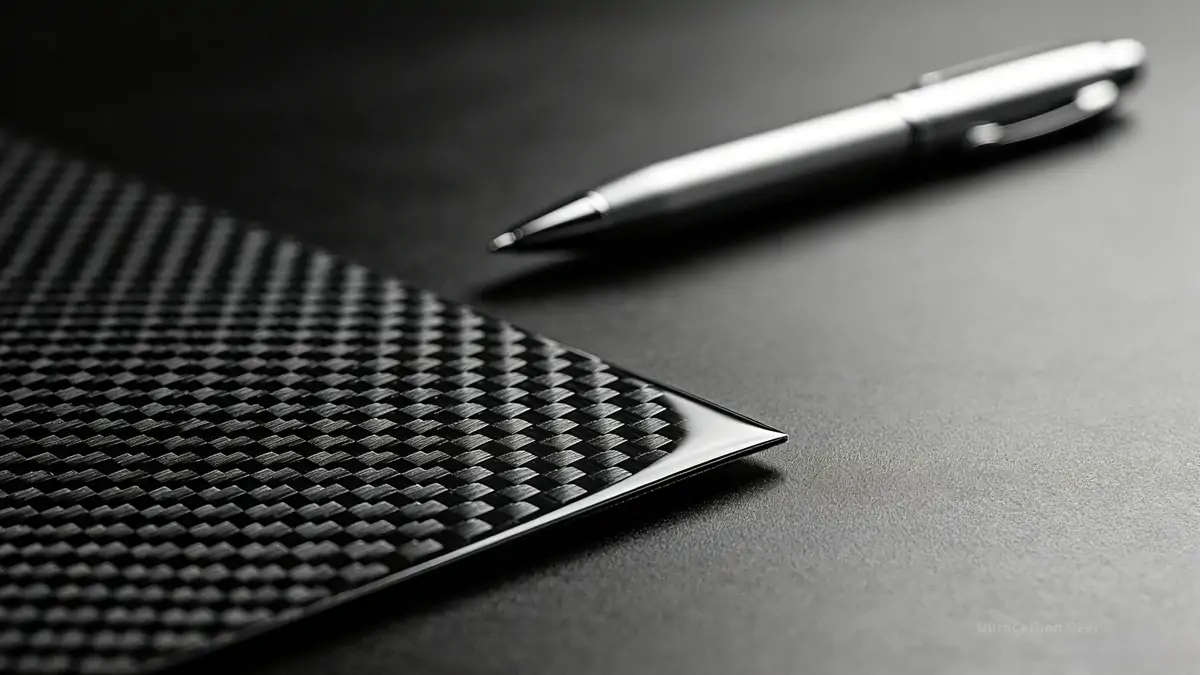
Imagine a single human hair, but it's pure carbon. It's incredibly stiff and strong for its size, but by itself, it's brittle and useless. Now, take 3,000, 6,000, or even 12,000 of these hairs and twist them together into a yarn. This is what we call a "tow."
Then, you weave that yarn into a fabric. You know the iconic checkerboard pattern you see? That's the classic weave, but we can arrange the fibers at specific angles—0 degrees, 45 degrees, 90 degrees—to control exactly where the part will be strongest and stiffest. It's engineering at a molecular level.
Finally, you soak that woven fabric in a special liquid plastic (a resin) and bake it until it's rock hard. The final piece isn't just a "carbon fiber part"; it's a carbon fiber reinforced polymer.
Here's the simple formula to remember:
Incredible Tensile Strength + Extreme Lightness + Chemical Inertness = A Material Revolution.
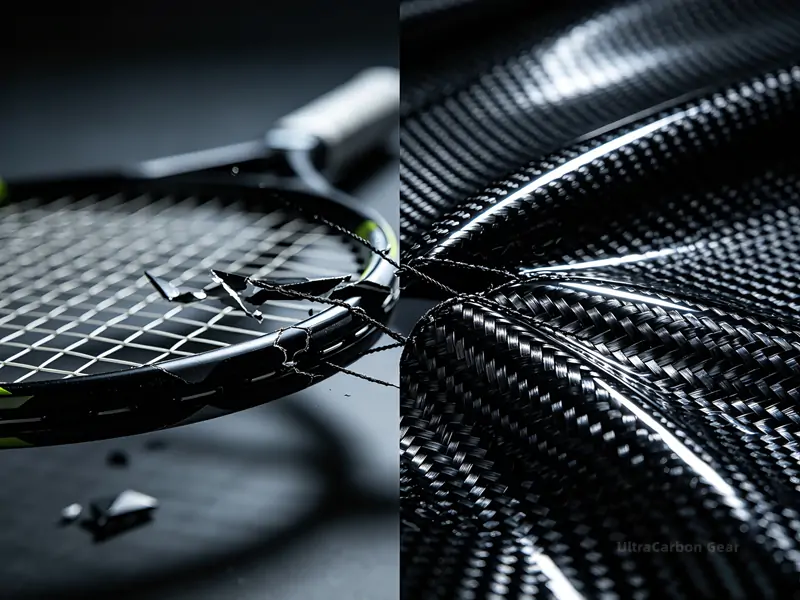
It doesn't rust, it doesn't fatigue like metal, and it damps vibrations like a solid block of wood. This isn't a trend; it's a fundamental shift in how we build things.
Where You Secretly Interact with Carbon Fiber Every Day
You might think this is only for supercars, but it's already hidden in your life. The real magic isn't in a $3 million hypercar; it's in the everyday items that have been silently upgraded. Let me show you where the practical magic happens.
1. Sports & Outdoors: The Quest for the "Unfair Advantage"
Forget the complex chemistry. Think of it this way:
This is where carbon fiber became famous. But let's move past the hype and get into the specifics of how it solves problems for you.
- The Pickleball Paddle Question: A raw fiberglass paddle feels "soft" and loses energy. A raw carbon fiber paddle can feel too "hard," giving you a small sweet spot and arm fatigue. The solution? High-end paddles now use a raw carbon fiber face with specialized core damping, giving you that crisp, "poppy" feel for control at the net, but enough dwell time and vibration absorption to protect your elbow on hard drives. When browsing, look for descriptions like "thermoformed unibody" and "foam-injected edges"—these manufacturing details extend the sweet spot to the very rim.
- The "Why Are Modern Bikes So Expensive?" Answer: It's not just the frame. The biggest leap in comfort and speed comes from a single component: the carbon handlebar. A well-made carbon bar acts as a high-frequency vibration filter. It literally absorbs the "road buzz" that travels through aluminum and into your hands, meaning you're less fatigued after a long ride and don't lose feeling in your pinky fingers. It's not about being a pro; it's about enjoying a century ride without neuropathy.
- Travel Rods That Don't Feel Like Toys: Old travel fishing rods felt like collapsible noodles. A properly engineered carbon fiber travel rod uses multi-section blanks with perfectly fitted carbon ferrules. The key detail? Look for a spigot ferrule joint. This isn't just a connection; it's a solid carbon rod insert that ensures the flex curve travels seamlessly through the blank. It's a rod that breaks down into a carry-on bag but fights a permit like a one-piece professional stick.
2. Travel & Everyday Carry (EDC): The Unbreakable Journey
I used to hate travel gear that seemed designed to fail. Wheels that disintegrate, bags that weigh 10 pounds before you even pack a sock—it's a disaster. Carbon fiber fixes this by being surgically precise.
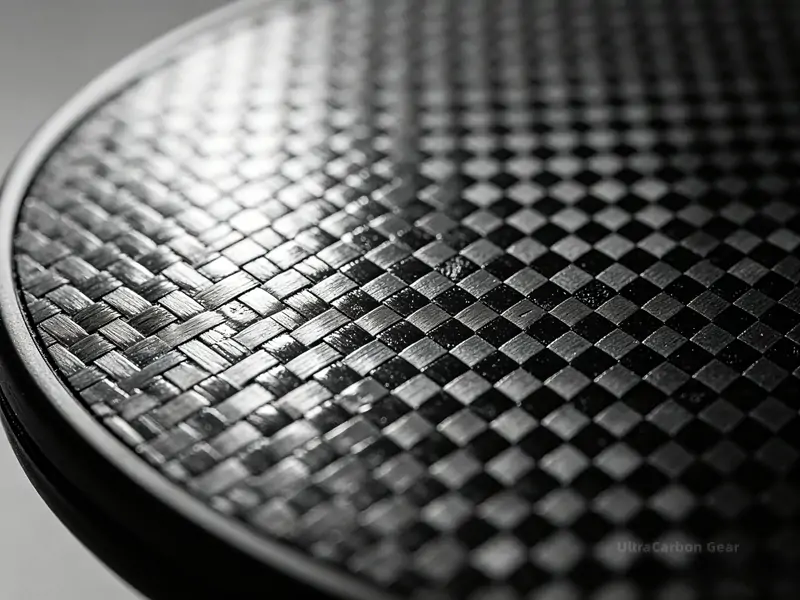
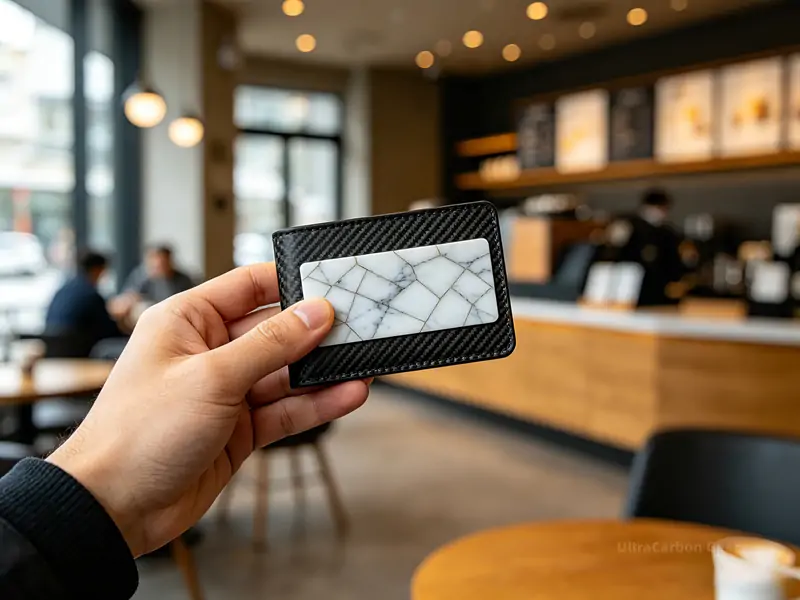
- The Wallet Paradox: A bulky leather wallet destroys your pants and your spine alignment. A minimalist forged carbon wallet is different. Forged carbon isn't the weave you know; it looks like a marble-like mosaic. The process uses thousands of chopped-up carbon fiber bits squeezed under immense pressure. The result? A wallet that is half the thickness of leather, immune to sweat, and wears like a river stone. It never stretches out, and the RFID blocking isn't just a feature—it's a permanent physical property of the carbon itself.
- The "I Hate Checked Baggage Fees" Solution: A carbon fiber carry-on luggage isn't just a flex; it's a strategic travel tool. A high-quality 22-inch carbon shell weighs nearly 40% less than a polycarbonate one. That 5-6 pounds you save isn't a gimmick—it's the difference between a heavy bag and being able to carry an extra pair of boots, a second laptop, or that bottle of wine you found at the duty-free without paying an overweight surcharge.
3. Home & Office Luxuries: Professionalism Without the Weight
This is the most surprising area where carbon fiber is changing the game. It's bringing a sense of tactile satisfaction to the things we use for hours every day.
- The Pen That Became an Heirloom: A metal pen is heavy and your hand cramps during long journaling sessions. A cheap plastic pen feels, well, cheap. A carbon fiber fountain pen is the answer. The body is essentially a tube of unidirectional carbon fiber, giving it incredible stiffness with the weight of a feather. The detail you'll love is the warmth: unlike cold metal, carbon fiber conducts heat very slowly, so it feels neutral and slightly warm in your hand from the moment you pick it up. It's a tool that makes you want to write.
- The Watch on Your Wrist: A heavy stainless steel dive watch is a classic look, but on a hot day, it's a sweaty anchor. A watch with a carbon fiber dial and case solves this. But here's the insider detail you need: look for a case made from "carbon fiber forged block," not just a thin printed dial. The block has a three-dimensional depth where no two patterns are ever the same. You are literally wearing a unique piece of geology on your wrist, and because it's hypoallergenic and inert, it won't react with your skin like some metals can.
4. Automotive & Personal Tech: The Touch of Precision
This is where carbon fiber gets flashy, but ignore the fake trim on economy cars. Real carbon fiber in your car or on your phone isn't about looking fast—it's about solving very specific, everyday annoyances.
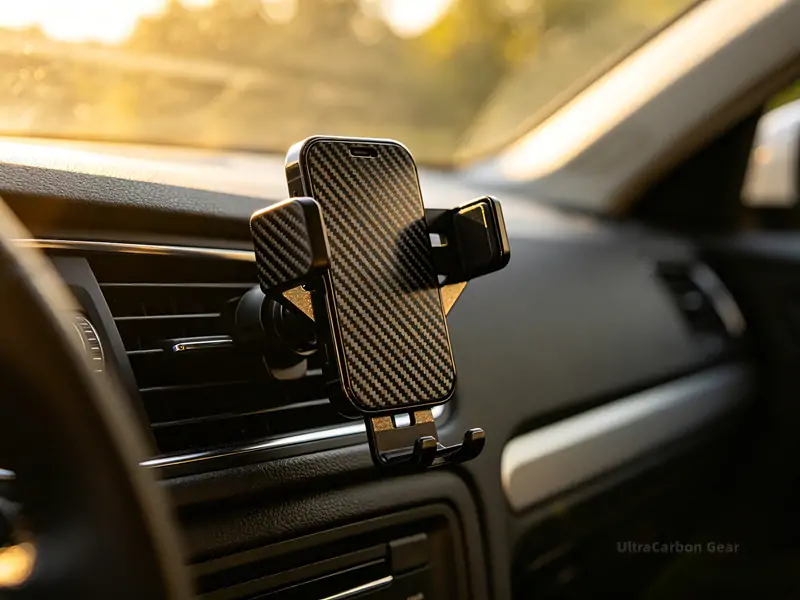
- The Melted Phone Mount Problem: Ever stuck your phone on a dashboard mount in summer, only to find the plastic arm had gone limp and your phone took a dive? Cheap ABS plastic mounts soften at temperatures that are just a hot day in Phoenix. A real carbon fiber phone mount arm doesn't do that. The carbon-epoxy composite has a glass transition temperature way above what any car interior can reach. Your mount stays rigid, your phone stays put, and you never again have to catch a flying device while merging onto a highway.
- The Car Key Upgrade You'll Feel Every Day: Your factory car key fob is a piece of flexible plastic with a chrome-painted edge that flakes off in your pocket. A replacement carbon fiber key case changes the entire experience. It's not just a skin; a well-made one is a precision clamshell that adds zero bulk but gives the key the rock-solid feel of a luxury watch. The detail you'll love: the buttons are often machined from the same carbon block, so the tactile click becomes noticeably crisper. You're not just holding a key; you're holding a statement.
- Wireless Chargers That Don't Slide: A fast wireless charger generates heat. A cheap plastic pad traps it, and your phone slides off the moment a notification vibrates. A charger with a genuine carbon fiber top plate solves both. The carbon acts as a gentle thermal diffuser, and the natural, slightly textured weave gives your phone just enough grip without being sticky. Look for one that specifies "real carbon fiber inlay," not just a printed pattern—you'll notice the difference immediately in how cool your phone stays after a full night of charging.
5. Music, Health & Wellness: Performance You Can Feel
This is perhaps the least expected place carbon fiber shows up, but for those who know, it's a revelation. It's changing how musicians play, how patients recover, and how we think about longevity.
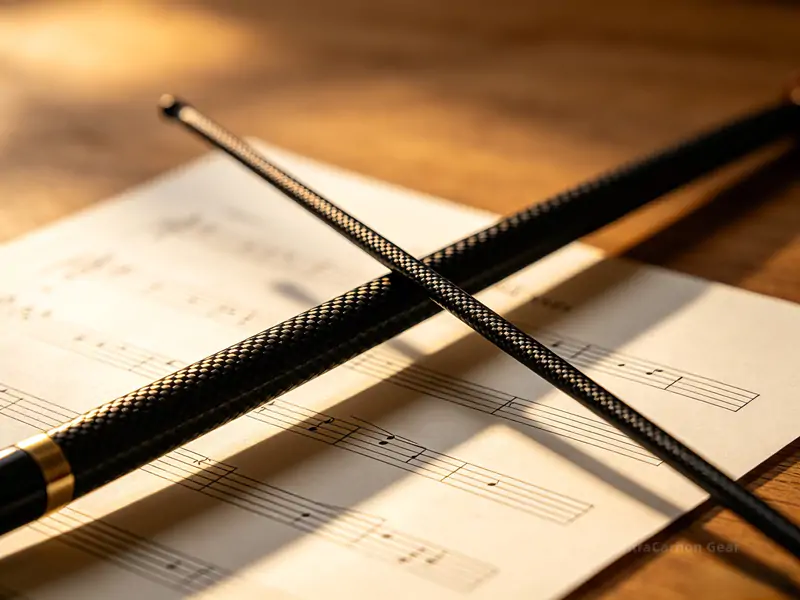
- The Violin Bow That Lets You Play Longer: A traditional pernambuco wood bow is beautiful, but it warps with humidity, and a fine one can cost more than a used car. A carbon fiber violin bow isn't a cheap compromise—it's an engineered upgrade. The stick is perfectly straight, every time, and its stiffness-to-weight ratio can be precisely tuned during manufacture. For a student or a gigging musician, the real benefit is tension consistency: you don't have to re-tighten the hair every 10 minutes as the room temperature changes. You just play.
- The Ultralight Wheelchair Revolution: This is a deeply practical application. For a manual wheelchair user, every ounce counts. A rigid carbon fiber wheelchair frame can drop the total chair weight below 15 pounds without sacrificing a single pound of strength. But the hidden benefit isn't just weight—it's vibration damping. Everyday bumps and sidewalk cracks transmit less shock through a carbon frame, meaning less fatigue and pain in the shoulders and spine. The frame flexes just enough to absorb the road, but stays absolutely rigid in the dimensions that matter for an efficient push. It's a genuine quality-of-life improvement built into the material.
- The Guitar That Never Needs a Setup: Wood breathes. It swells in the summer, shrinks in the winter, and your guitar's neck moves. A carbon fiber acoustic guitar side-steps that completely. The neck is molded as a single piece, so it never warps. You can leave it in a freezing car trunk and walk straight onto a stage, and it will be perfectly in tune. The sound isn't wooden; it's its own thing—loud, clear, and remarkably balanced, with a sustain that rings for days. For travelers and outdoor musicians, it's the ultimate go-anywhere instrument.
The "Carbon Copy" Trap: How to Buy with Confidence (The Part They Don't Tell You)
Here's a secret the industry doesn't like sharing: not everything that's black with a pattern is real carbon fiber. A lot of it is a single layer of carbon fabric draped over cheap fiberglass, or even a hydro-dipped plastic film. This "carbon copy" looks good for a month, but it's just adding weight with no strength benefit.
How do you avoid the trap? Here are three non-destructive tests:
- The Tap Test: Tap a coin on the surface. A perfect, thin carbon laminate will produce a clear, high-frequency, glassy ring. A thick plastic with a dipped film will sound dull, like tapping a bucket. Real carbon sounds alive.
- The Thermal Test: Place the product in a cool room. Real carbon fiber will feel immediately cold to the touch, like a piece of tile—it conducts heat in a very distinctive way. A plastic imitation will just feel room temperature.
- The Continuity Check: On a woven pattern, look at the edge or the inside of a hole (like a button or a keyring slot). If the pattern on the surface flows over the edge and continues on the inside, it's likely real fabric. If it stops cleanly with a black plastic edge, it's a decal.
When you buy from us, you're not getting a sticker. You're getting a pure, high-modulus carbon fiber part that's been precision CNC-cut to tolerances thinner than a human hair. Every piece has a slight back-texture from the vacuum bagging process—a flawless matte perfection you won't find in a molded plastic fake.
Your Life, Just Lighter and Stronger
Carbon fiber isn't about pretending you're an astronaut or a race car driver. It's about ditching the unnecessary weight and fragility in your life. It's for the traveler who wants a 6-pound carry-on, the angler who needs a one-piece rod feel in a four-piece pack, and the writer who wants a pen that will outlive them.
You've read the details. You know what to look for now. The only thing left is to feel the difference yourself. Click over to our store and pick a piece of the future. You'll wonder why you ever settled for heavy, breakable stuff in the first place.